In litigation mediation, the mediator often plays the role of shuttle diplomat - walking the corridors, conveying offers, testing and challenging propositions, and carefully managing the incremental rhythm of negotiation.
Following a joint session, the real work frequently unfolds in caucus. There, I commonly speak with Plaintiffs in particular about the incremental nature of bargaining in litigation. In many matters, this process works well. It allows space for candid discussion, risk assessment, and is premised on each party 'saving face' in circumstances where any questioning or polite challenge is behind closed doors.
But there are moments when the corridor is not enough.
When messages get lost in translation
A message delivered second-hand can lose nuance.
At times therefore, I have found it useful to step beyond the shuttle diplomat role and bring key participants back into the same room - whether that is the legal representatives (in the main) and sometimes an insurer, or even the litigant themselves. This is particularly powerful when:
• A party wishes to convey a more final position and the reasoning behind it.
• There is a need to explain commercial or personal constraints.
• Misunderstandings may have hardened into assumptions.
• A reset in tone or perspective may assist movement.
There is something uniquely clarifying about hearing directly from the decision-makers. That said, its always a question of judgment, the only test being what you consider will assist the process.
This approach, of course, sits on a spectrum. At one end lies the traditional shuttle model. At the other is a radically joint process model.
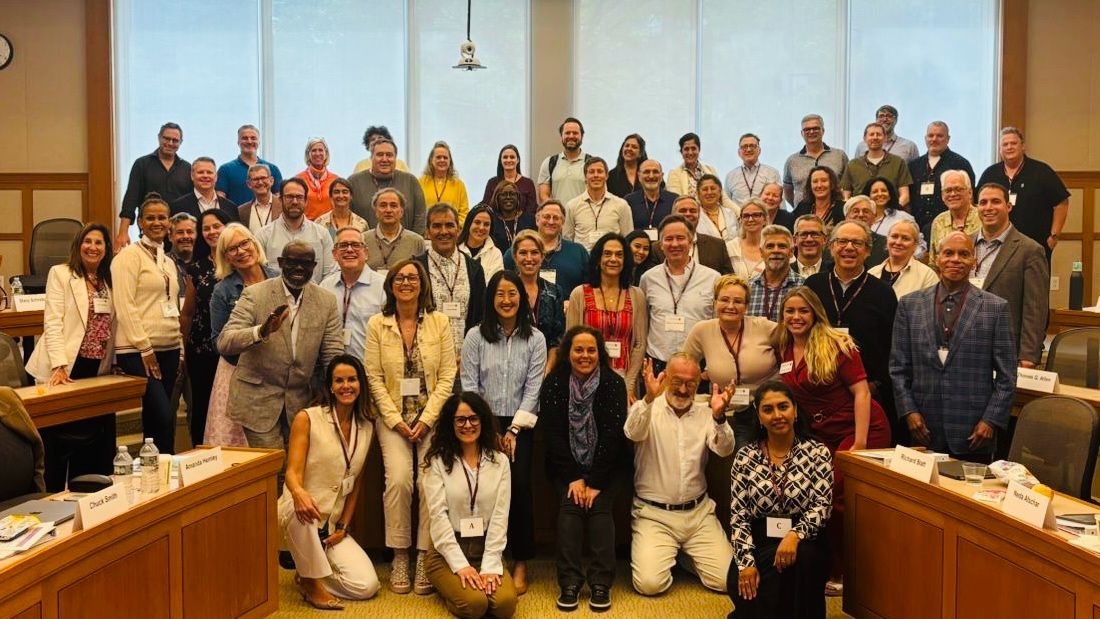
A well-known mediator and academic, Robert H. Mnookin of Harvard Law School, has long advocated for a process in which he does not conduct private caucuses at all. Instead, he remains in the room with all parties throughout the mediation. Participants may take breaks, but the mediator does not engage in separate confidential discussions.
His view is that remaining together shifts perspectives and alters the negotiation dynamic. It encourages transparency, accountability, and direct engagement. He is widely regarded internationally for this distinctive approach and for mediating complex commercial and public disputes across jurisdictions.
It is certainly a bold position.
Finding the middle ground
I am not inclined to adopt that model wholesale. In my experience, the shuttle role remains highly effective in the majority of cases. Confidential conversations allow for reality-testing, emotional ventilation where appropriate, and risk analysis that might not occur in a joint session.
That said, I do think the shuttle role can sometimes beoverplayed.
As with all mediation techniques, the key lies in beingfluid enough to meet the moment.
I would be very interested in your views - as lawyers,insurers, and litigants - on the balance between caucus and joint sessions. Arewe too much in our comfort zone - have you found it useful to bring the legalrepresentatives together after a joint session, and not just slavishly rely onthis caucus model?
I regularly share short insights on mediation, negotiation and all things leadership. From how to optimise success in negotiations, to the skillset required to sustain high team performance and promote resilience. I share these video reflections, drawing from my experience both as a former leader in professional services and now as a mediator and leadership coach.
"Damien is an incredible Mediator. He is experienced, is always across the brief and has a depth of legal knowledge that can assist the parties to navigate even the most complex issues to reach a resolution. Damien is my first choice for any Mediation, especially for vulnerable plaintiff’s feeling overwhelmed by the process as they are immediately comforted by his affable and empathetic nature.”
Damien was engaged as an Executive Coach in our business to navigate a half-decade of poor habits, realign our leadership team and position us for a strategic exit.Facilitating an executive workshop was instrumental in resolving internal conflicts and realigning us to a collective focus on future opportunities.
I have especially appreciated your logical and calm approach to problem solving, and I have valued your methodical and composed demeanour in tackling complex issues. You have not only equipped me with effective strategies but also instilled a sense of confidence and clarity in my own decision making processes.